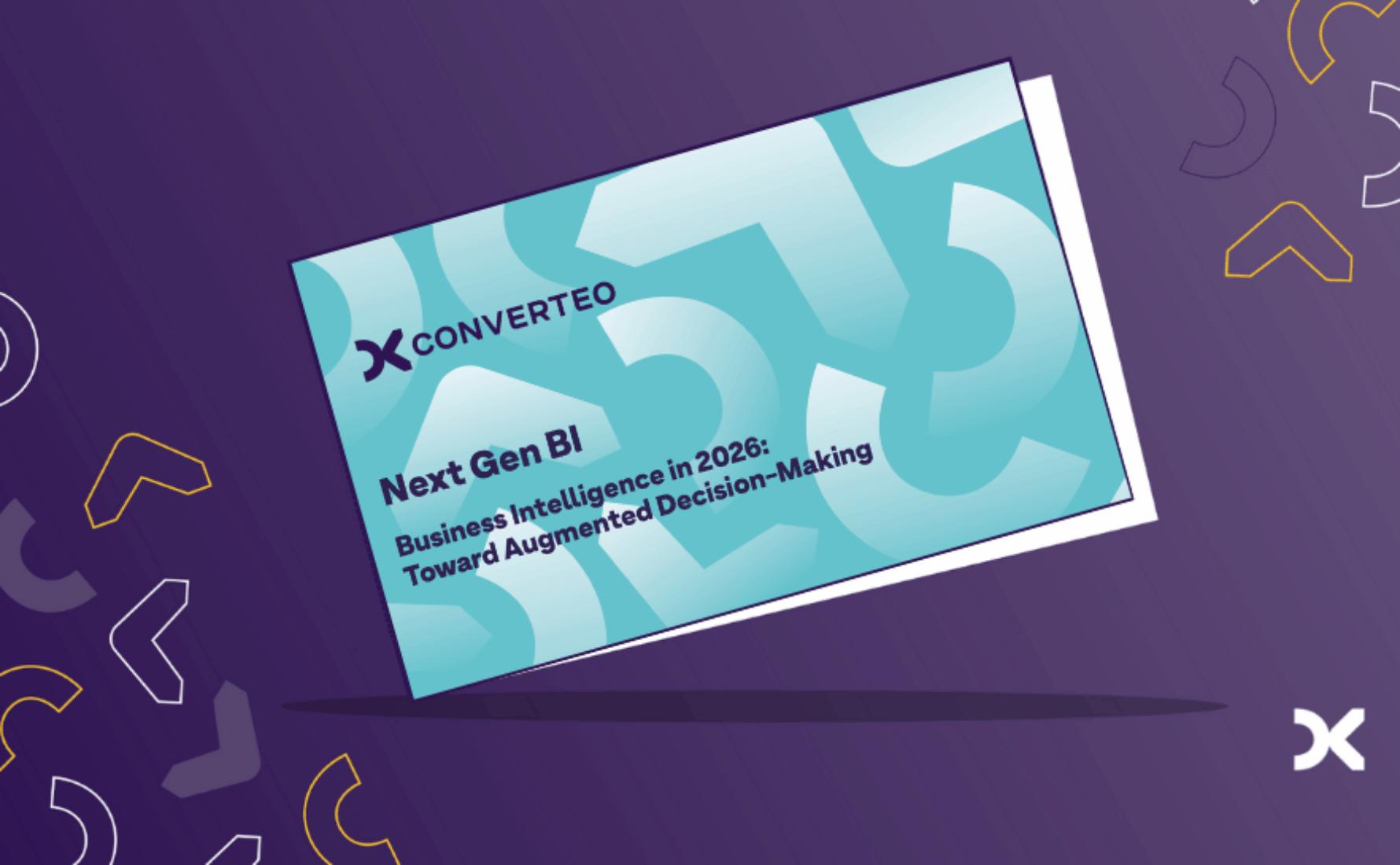
What you’ll find in this study
- 2026 map, the use of AI in purchasing journeys: beyond mass adoption, AI has become a tool for preparation, comparison and validation before the final purchase, redefining trust and credibility.
- GEO, GEA, agentic commerce: how generative engine optimization (GEO) and generative engine advertising (GEA) are replacing traditional SEO, and why the goal is no longer to appear in results but to be chosen and recommended.
- AI reshapes product discovery and measurement: the first figures on LLM-generated traffic by sector, and why structured content and intelligent product feeds become the pillars of performance.
- Checklist and roadmap: a concrete checklist to audit your ecosystem (data, UX, content) and deploy a solid technical and organizational foundation.
From navigation to intent: the new paradigm of agentic commerce
E-commerce was built on a navigation paradigm: the user browses catalogs, applies filters and clicks to compare products in a structured but often rigid path. This structure increasingly struggles to meet the expectations of an audience seeking simplicity and relevance.
Conversational models introduce the opposite dynamic. The user expresses an intention, and the AI synthesizes, filters and recommends. Online shopping, once linear, is becoming interactive and focused on intent.
For retailers, this transition is a major strategic disruption. Agentic commerce, brought to the forefront by the Universal Commerce Protocol (UCP), requires rethinking how product data and content are structured so they are visible, readable and recommendable by any conversational agent.
The state of AI in e-commerce: 3 key figures
- $73BIn global sales influenced by AI agents during Black Friday 2025.
- 7×Higher sales growth for retailers who have integrated AI agents into their websites.
- 100×Growth of LLM-generated traffic in retail in less than a year.
Written by
Get the full study, free.
Download the guide